Author: Organisation for Economic Co-operation and Development
Multilateral Aid 2015: Better Partnerships for a Post-2015 World
2015

You may also be interested in
Major country diplomacy with Chinese characteristics
On July 30, Xi Jinping oversaw a meeting of the Politburo to discuss economic reform, ahead of the widely-anticipated discussions at Beidaihe leading up to the release of a new economic reform package at the Third Plenum in October (Xinhua, July 30). The official press provides no further detail about the meeting, but Premier Li Keqiang has described the center’s economic priorities at great length in recent months. Meanwhile, Xi has been busy consolidating power, gaining hold of what appears to be an unusually strong grasp of the party’s central apparatus. It remains unclear, howev...
Promoting e-Commerce in developing countries
This study examines the advantages and possibilities for the use of digital signatures to carry out electronic transactions. It focuses on developing and transition countries that have not fully implemented the use of digital signatures in their economic, commercial and productive processes. An important aim of this research is to create awareness on the likely effects for enforcing the use of digital signatures to carry out e-commerce transactions on the economies of developing and transition countries. The study also proposes key issues to be considered for policy-makers in countries in orde...
Global Health, Aid Effectiveness and the Changing Role of the WHO
The text discusses the changing role of the World Health Organization (WHO) in the context of global health and aid effectiveness.
Pricing the right to education: The cost of reaching new targets by 2030
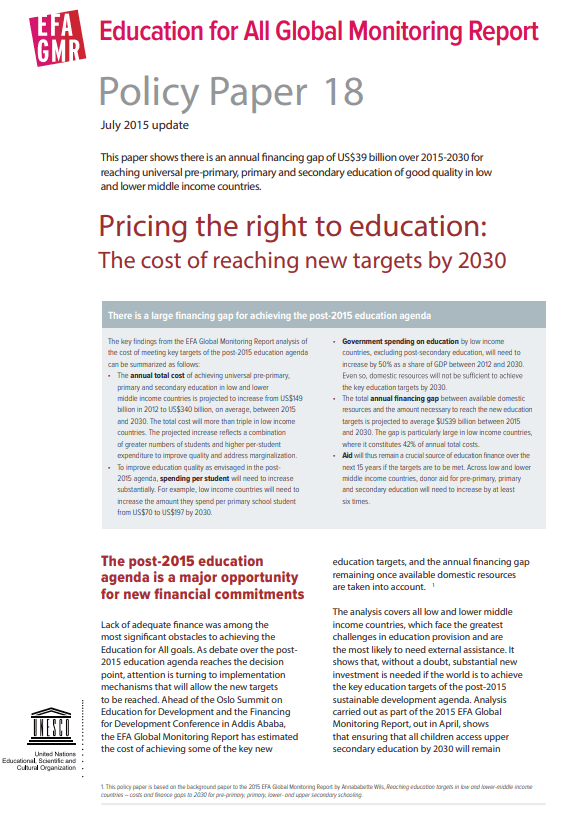
This paper shows there is an annual nancing gap of US$39 billion over 2015-2030 for reaching universal pre-primary, primary and secondary education of good quality in low and lower middle income countries.
The Education Millennium Development Goal Beyond 2015: Prospect for Quality and Learners
The text is about discussing the Education Millennium Development Goal post-2015 with a focus on quality and learners.
Digital Opportunities for All: Meeting the Challenge
The text is about embracing digital opportunities to overcome challenges and ensure access for all.
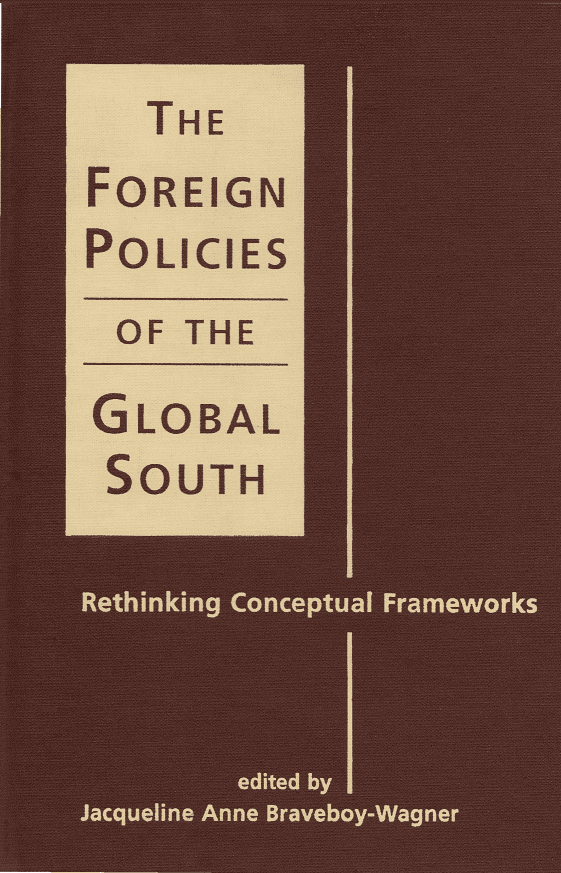
The Foreign Policies of the Global South: Rethinking Conceptual Frameworks
The text provides an analysis of foreign policies in the Global South and suggests reconsidering existing conceptual frameworks.
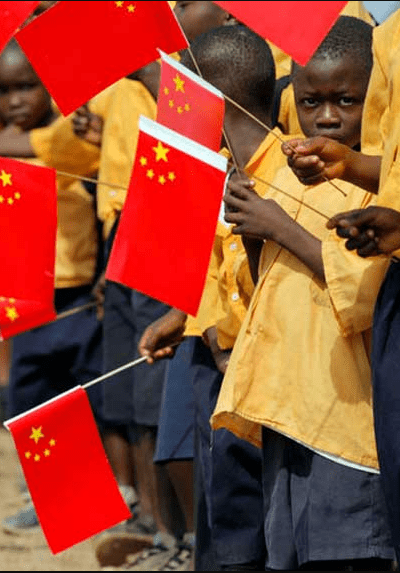
China’s soft power in Africa: From the ‘Beijing Consensus’ to health diplomacy
China has deepened its engagement with Africa since 1949, shifting from ideological to pragmatic approaches. This evolution includes aiding socialist nations with infrastructure projects, sending experts, and fostering economic and political ties. Present-day interactions involve Chinese officials, bankers, and businesspeople promoting sustainable economic growth. China's focus on raw materials has not overshadowed its support for aid programs like medical assistance. The relationship is set to progress through a mix of traditional aid, technical support, and increased trade and investment.
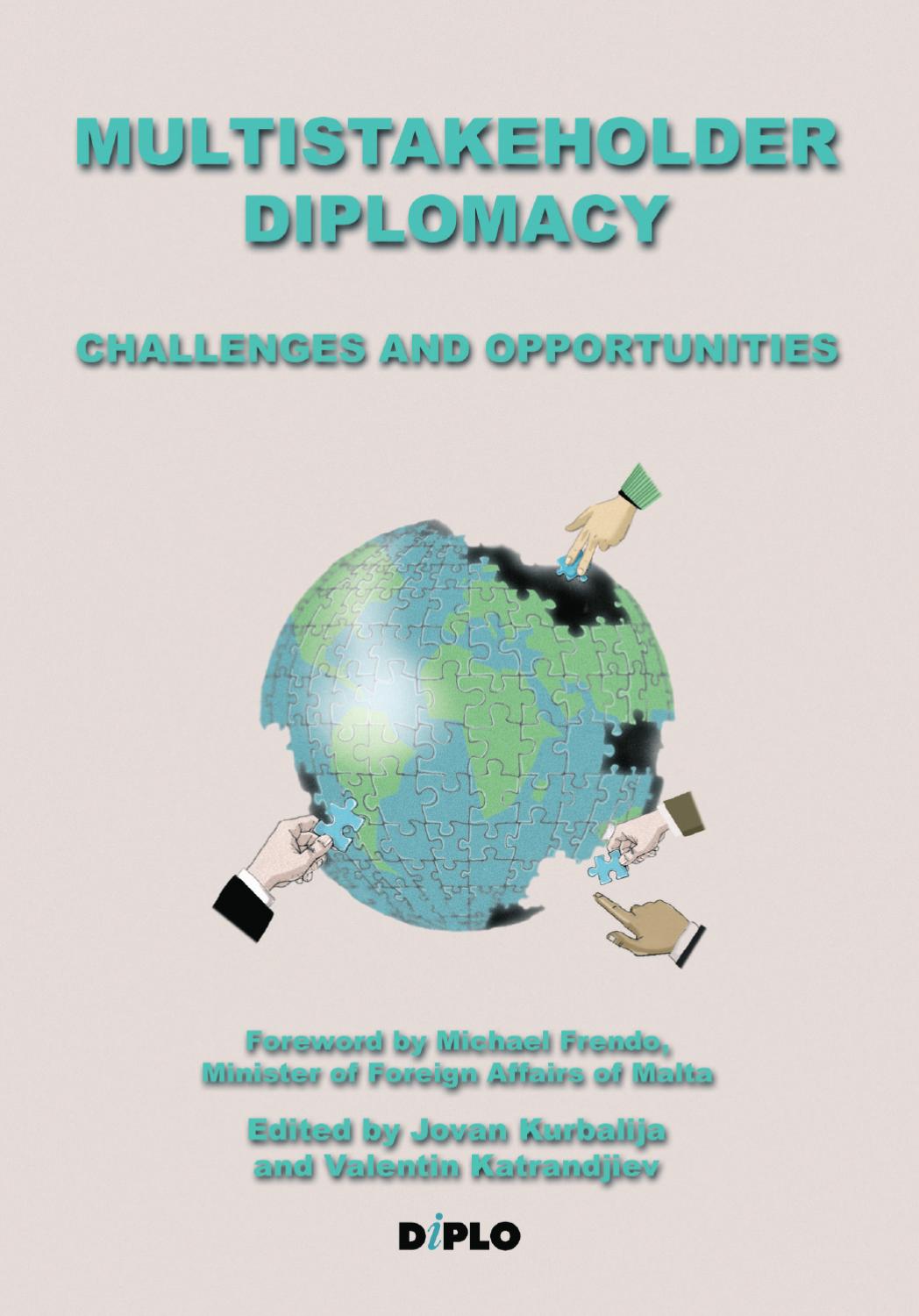
Development diplomacy and poverty reduction strategy
Lichia Yiu and Raymond Sanner describe in detail the application of development diplomacy in the context of international co-operation for poverty reduction in Highly Indebted Poor Countries. In particular, the authors describe the goal of the International Labour Organisation – a non-state actor – in advocating the inclusion of employment and Decent Work Agenda policies in Poverty Reduction Strategy Papers, an instrument developed by the International Monetary Fund and the World Bank.
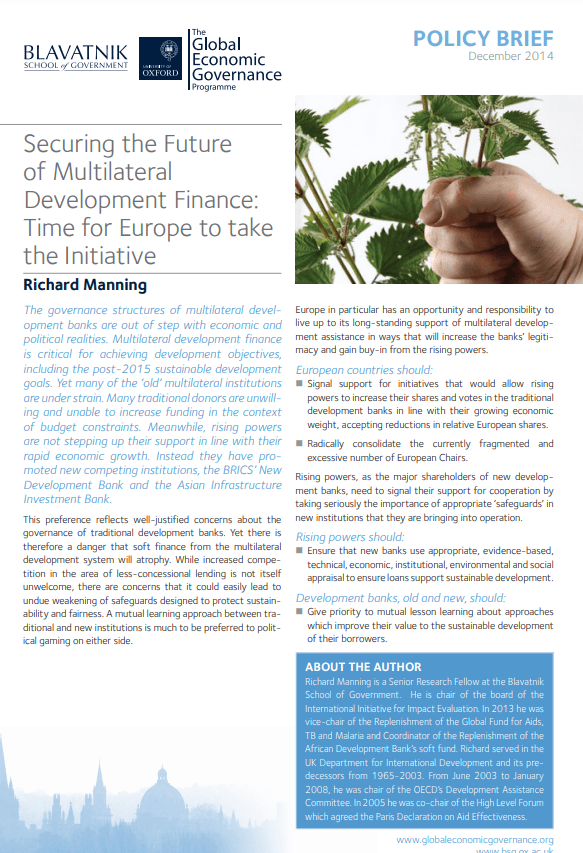
Securing the Future of Multilateral Development Finance: Time for Europe to take the Initiative
The message emphasizes the importance of Europe taking the lead in securing the future of multilateral development finance.
EU Strategy for Africa
The EU Strategy for Africa aims to strengthen partnerships with African countries through political dialogue and cooperation on various issues, including peace and security, migration, trade, and investment. It prioritizes sustainable development, job creation, green growth, and digitalization to foster a mutually beneficial relationship between the EU and Africa. By working together, the EU and African countries can address common challenges, promote prosperity, and achieve shared goals for the benefit of both regions.
Knowledge and Diplomacy
Knowledge and Diplomacy presents papers on knowledge and knowledge management from the January 1999 Conference on Knowledge and Diplomacy in Malta. The papers in this book, examining the topic from a variety of backgrounds, academic interests and orientations, reflect the multidisciplinary character of knowledge management. This publication is only available online.
Developing Countries: Victims or Participants? Their Changing Role in International Negotiations
The roles of developing countries in international negotiations are evolving from being seen as victims to active participants. They are now asserting themselves and playing more significant roles in shaping global policies and agreements.
Triangular Co-operation and Aid Effectiveness: Can triangular co-operation make aid more effective?
The text discusses the potential for triangular cooperation to enhance the effectiveness of aid.
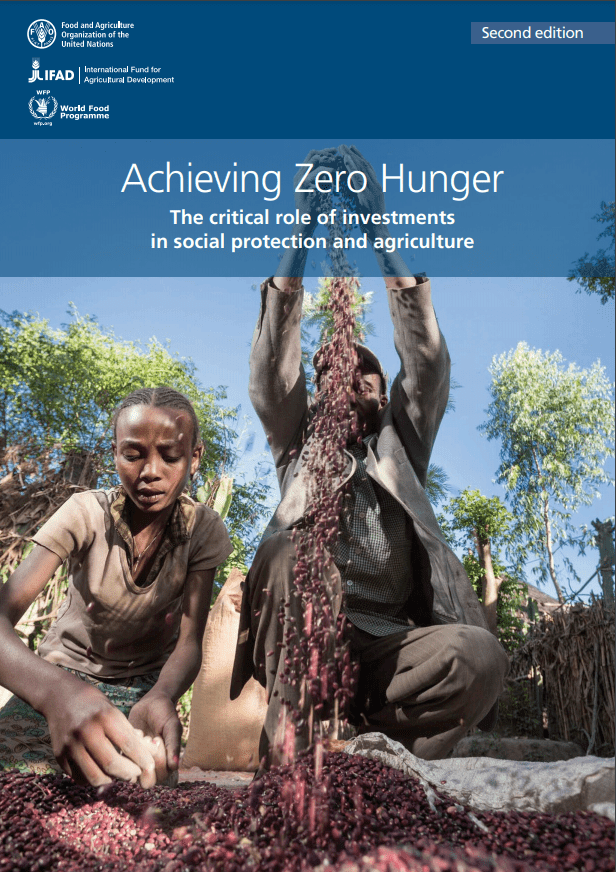
Achieving Zero Hunger: The Critical Role of Investments in Social Protection and Agriculture
The message emphasizes the crucial role of investments in social protection and agriculture in achieving zero hunger.
Development diplomacy by non-state actors
Raymond Saner addresses the growing influence non state actors are having on policy dialogue and policy negotiations in international development. Saner highlights how non state actors have become increasingly involved in the development policy field usually occupied by ambassadors and envoys representing Ministries of Foreign Affairs.
Leaving No One Behind in the Data Revolution (Briefing Paper #5)
The text offers policy recommendations and insights on cybersecurity, focusing on building resilience, fostering cooperation, and addressing challenges in the digital domain.
The Milennium Development Goals Report 2015
The Millennium Development Goals Report 2015 reflects on the progress made towards achieving the eight goals set by world leaders in 2000. It highlights significant accomplishments in areas such as poverty reduction, child mortality, and access to clean water. However, challenges remain, including disparities among regions and persistent inequalities. The report emphasizes the need for continued efforts to address these issues and accelerate progress towards sustainable development.
The Vulnerability of the Small Island Developing States of the Caribbean
The Small Island Developing States of the Caribbean are highly vulnerable to external economic and environmental shocks due to their small size and limited resources, which threaten their sustainability and development.
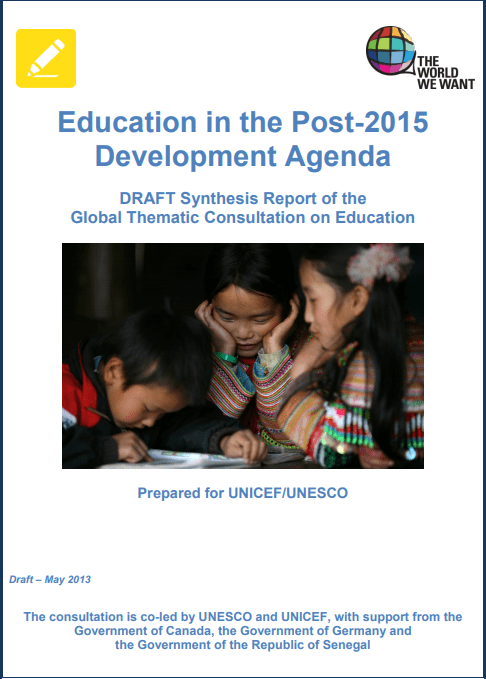
Making Education a Priority in the Post-2015 Development Agenda
The post-2015 development agenda should prioritize education to address global challenges effectively and promote sustainable development. Educational goals must encompass quality, inclusivity, equity, and lifelong learning opportunities for all individuals, regardless of background. Investing in education not only benefits individuals by improving their opportunities and well-being but also contributes to societal advancement by fostering economic growth, reducing poverty, and promoting social cohesion. Education is a fundamental human right and a key driver of progress, making it essential f...
Information and communications technologies for development
The text discusses the role of information and communications technologies (ICTs) in development.

Re-imagining the future
‘There is so much work still to be done. There are so many unraveling threads. There is so much still to create. There is much need to better use the Internet for development.’ - Sheba Mohammid from Trinidad and Tobago
The Clash of Globalizations: Essays on the Political Economy of Trade and Development Policy
The Clash of Globalizations: Essays on the Political Economy of Trade and Development Policy explores the tensions between different approaches to globalization, examining how they impact trade and development policy.
Caribbean Development Report, Volume I
The Caribbean Development Report, Volume I, analyzes key challenges faced by the Caribbean region, focusing on the implications of climate change, the impact of natural disasters, and economic vulnerability. It also emphasizes the importance of building resilience, promoting sustainable development, and fostering innovation and technology to address these challenges effectively. The report highlights the need for coordinated efforts from governments, private sector, and civil society to create a more resilient and prosperous future for the Caribbean region.
Diplomacy and Developing Nations: Post-Cold War foreign policy-making structures and processes
The text discusses how post-Cold War foreign policy-making structures and processes impact diplomacy with developing nations.
Outcome document of the Third International Conference on Financing for Development: Addis Ababa Action Agenda
The Addis Ababa Action Agenda outlines commitments made at the Third International Conference on Financing for Development to address global financial challenges and promote sustainable development.

Current developments in South African diplomacy
As the new South Africa adapts to an ever-changing regional, continental and global environment, this paper reviews current developments against the background of the historic situation and of the evolution of diplomacy world-wide.
The Oxford Handbook on the United Nations
The Oxford Handbook on the United Nations offers a comprehensive examination of the organization, detailing its history, structure, functions, and impact on global affairs. Covering topics such as peace and security, human rights, development, and international law, this handbook provides valuable insights into the UN's role in addressing global challenges and promoting cooperation among member states. Scholars, policymakers, and students will find this resource to be a valuable reference for understanding the complexities of the United Nations and its significance in the international landsca...
Towards a Single Development Vision and the role of the Single Economy
The text discusses the importance of aligning development goals and the significance of the Single Economy in creating a unified development vision.

Economic Geography and International Inequality
The text explores the complicated relationship between economic geography and international inequality, elucidating how spatial factors contribute to disparities in wealth and development across nations.
Why modernise official development assistance?
Most ODA continues to be provided in the form of grants. Nonetheless, concessional loans – in other words, loans provided on favourable terms to developing countries – are also important, and will continue to play a key role in mobilising resources to support the Sustainable Development Goals (SDGs). The concept of ODA was developed by the OECD Development Assistance Committee (DAC) in 1969, yet until recently the definition of what made a loan “concessional in character” – which in turn determines the extent to which a loan can be reported as ODA – was open to interpretation. ...
Economic Diplomacy: The Level of Development and Trade
The text discusses the correlation between a country's level of development and its participation in international trade through economic diplomacy.
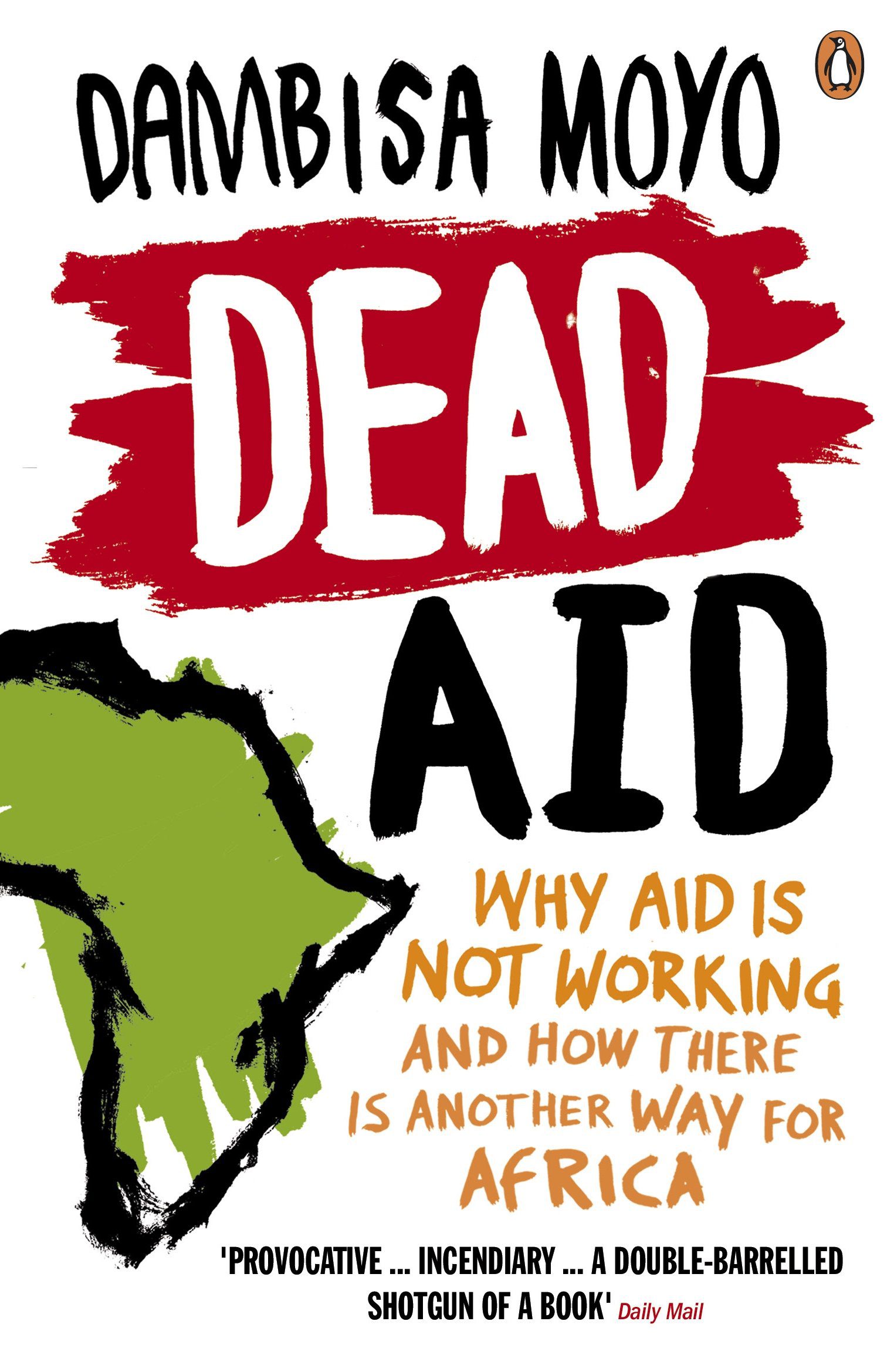
Dead Aid: Why Aid is Not Working and How There is a Better Way for Africa
The book "Dead Aid: Why Aid is Not Working and How There is a Better Way for Africa" argues that traditional aid to Africa is ineffective and harmful. It claims that aid perpetuates poverty by fostering corruption and dependency instead of promoting sustainable economic growth. The author advocates for alternative solutions such as investment and trade to create long-term prosperity in Africa, emphasizing the need for African countries to take control of their own development.

Special Ministerial Event on Food Security and Sustainble Development in Small Island Developing States
A summary of the Special Ministerial Event on Food Security and Sustainable Development in Small Island Developing States.
Development Effectiveness: What Have We Learnt?
The text discusses lessons learned regarding development effectiveness.
Development Aid and Nigeria’s Poverty Challenge: Millenium Development Goals 4 and 5 in Focus
The quest to eradicate poverty has been identified as the most critical challenge facing development in the world today. Women and children are disproportionately affected by poverty.
A World to Gain: A New Agenda for Aid, Trade and Investment
A World to Gain: A New Agenda for Aid, Trade and Investment" outlines a comprehensive approach to global development through aid, trade, and investment. It suggests strategies to address economic disparities and foster sustainable growth worldwide. The book advocates for collaboration between countries and institutions to tackle challenges and unlock opportunities for progress on a global scale.
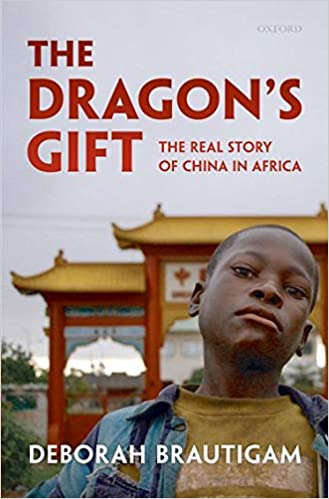
The Dragon’s Gift: The Real Story of China in Africa
The book "The Dragon's Gift: The Real Story of China in Africa" explores China's involvement in Africa, discussing its economic impact, investments, and infrastructure projects across the continent. The author challenges common misconceptions and offers a nuanced perspective on China's role in Africa, highlighting both the benefits and challenges of this relationship.
Education Counts: Towards the UN Development Goals
The text discusses the importance of education in achieving the UN Development Goals. It highlights the critical role education plays in economic growth, reducing poverty, improving health outcomes, and promoting gender equality. By investing in education, countries can address various societal challenges and work towards sustainable development.
Report of the Intergovernmental Committee of Experts on Sustainable Development Financing
Report of the Intergovernmental Committee of Experts on Sustainable Development Financing.
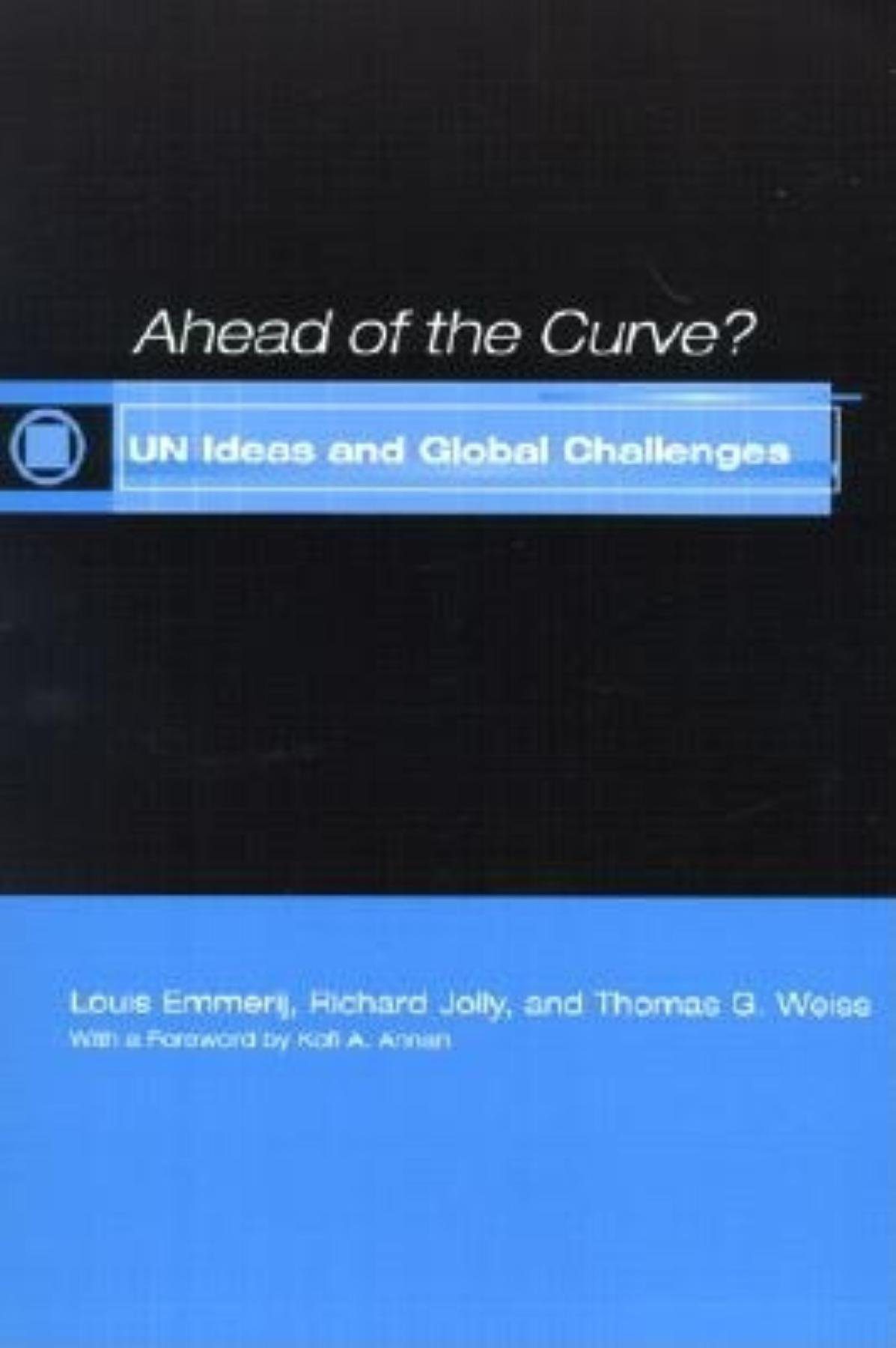
Ahead of the Curve? UN Ideas and Global Challenges
Ideas and concepts are arguably the most important legacy of the United Nations. Ahead of the Curve? analyzes the evolution of key ideas and concepts about international economic and social development born or nurtured, refined or applied under UN auspices since 1945. The authors evaluate the policy ideas coming from UN organizations and scholars in relation to such critical issues as decolonization, sustainable development, structural adjustment, basic needs, human rights, women, world employment, the transition of the Eastern bloc, the role of nongovernmental organizations, and global govern...
Transforming Our World: The 2030 Agenda for Sustainable Development
Transforming Our World: The 2030 Agenda for Sustainable Development is a comprehensive plan that outlines 17 goals aimed at ending poverty, protecting the planet, and ensuring prosperity for all. It addresses challenges such as climate change, inequality, and peace and justice. The agenda emphasizes the importance of partnerships, data, and financing in achieving these goals. Implementing the agenda requires a collective effort from governments, businesses, civil society, and individuals to create a more sustainable and equitable world by the year 2030.

EU Support to peace mediation: developments and challenges
The text discusses the EU's role in supporting peace mediation efforts, highlighting both progress made and challenges faced in this area.
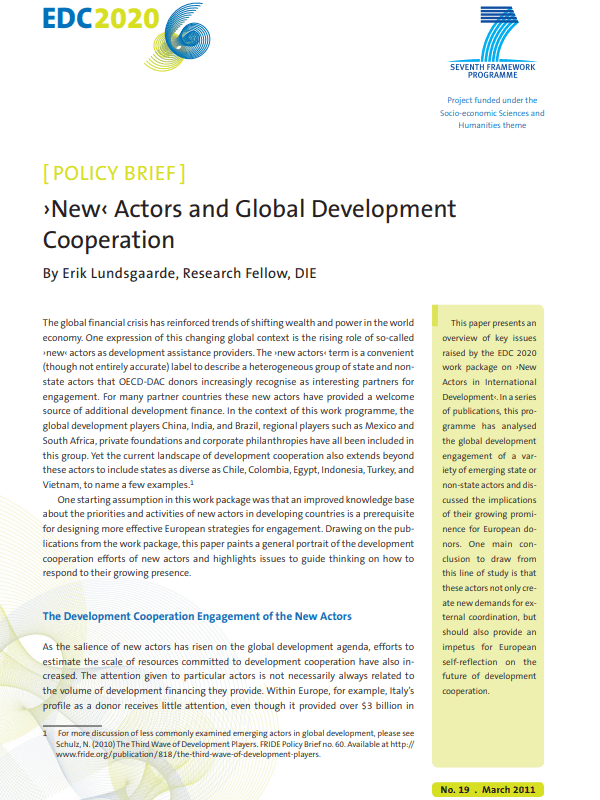
New’ Actors and Global Development Cooperation
The global financial crisis has reinforced trends of shifting wealth and power in the world economy. One expression of this changing global context is the rising role of so-called ›new‹ actors as development assistance providers. The ›new actors‹ term is a convenient (though not entirely accurate) label to describe a heterogeneous group of state and nonstate actors that OECD-DAC donors increasingly recognise as interesting partners for engagement. For many partner countries these new actors have provided a welcome source of additional development finance. In the context of this wo...

The Role of Diplomacy in the Challenges to Maritime Security Cooperation in the Gulf of Guinea: Case Study of Nigeria
There is presently a pervading feeling that the West and Central African states are long overdue to take control of their maritime environment. However, these expectations show no indication of materialising in the short term.
Exploring the need for speed in deploying information and communications technology for international development and bridging the digital divide
This paper comes on the eve of the millennium development goals deadline of 2015 which acknowledges ICT as the enabler for speeding towards the finish line. The quest is to explore whether we are all speeding towards a clearly defined goal, given our varied capacities and affinities.
Development Co-operation Report 2015: Making Partnerships Effective Coalitions for Action
The text discusses the importance of effective partnerships and coalitions for action in development cooperation as outlined in the Development Co-operation Report 2015.
The European Union and the Latin American and the Caribbean Dialogue: Building a Strong Partnership
The text discusses the importance of building a strong partnership between the European Union and Latin America and the Caribbean through dialogue.
Oslo Summit: Financing Education in Developing Countries
The Oslo Summit focuses on financing education in developing countries to ensure access and quality education for all children.
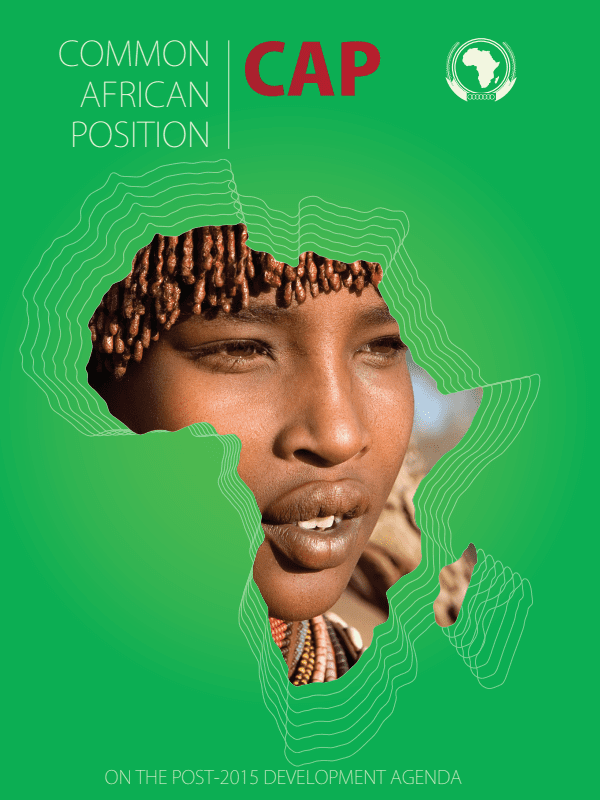
Common African Position on the Post-2015 Development Agenda
The participatory approach that led to the elaboration of the Common African Position (CAP) on the post-2015 Development Agenda involving stakeholders at the national, regional and continental levels among the public and private sectors, parliamentarians, civil society organizations (CSOs), including women and youth associations, and academia. This approach has helped address the consultation gap in the initial preparation and formulation of the Millennium Development Goals (MDGs).
The Death of Distance: How the Communications Revolution Is Changing Our Lives
The Death of Distance: How the Communications Revolution Is Changing Our Lives" discusses how advancements in communication technology are diminishing the significance of physical distance in our lives. It explores how these changes are transforming the way we connect with others, conduct business, and experience the world around us. This book delves into the impact of these developments on various aspects of society and highlights the increasing interconnectedness of the global community as a result of these innovations.
The Paris Declaration on Aid Effectiveness and the Accra Agenda for Action
The Paris Declaration and Accra Agenda highlight key principles and actions for improving aid effectiveness in developing countries, emphasizing ownership, alignment, harmonization, managing for results, and mutual accountability among donors and recipients. They aim to enhance the impact of aid by promoting transparency, participation, and partnership in the development process.
Modern Diplomacy – Opening address
Opening address of the Honourable Dr. George F. Vella, Deputy Prime Minister and Minister of Foreign Affairs and the Environment of Malta.
Is a special treatment of small island developing States possible?
The text outlines the challenges faced by Least Developed Countries (LDCs) in achieving sustainable development and proposes strategies to address these issues through international cooperation and policy interventions.
Global Public Goods: International Cooperation in the 21st Century
This collection of papers offers a new rationale and framework for international development cooperation. Its main argument is that in actual practice development cooperation has already moved beyond aid. In the name of aid (i.e., assistance to poor countries), we are today dealing with issues such as the ozone hole, global climate change, HIV, drug trafficking, and financial volatility. All of these issues are not really poverty related. Rather, they concern global housekeeping: ensuring an adequate provision of global public goods. Many important lessons could be drawn by first recognizing t...
Enyclopedia of International Development
The Encyclopedia of International Development is a comprehensive resource that covers a wide range of topics related to development, including theories, practices, actors, and key issues. It offers insights from various disciplines and perspectives, making it an invaluable tool for researchers, policymakers, and practitioners in the field of international development.
Developing a Road Map for Engaging Diasporas in Development
Governments of countries of migrant origin and migrant destination recognize the value that diaspora populations may bring to development efforts in their countries of origin. The Global Forum on Migration and Development has, since its first meeting in 2007, looked for ways to highlight the kinds of policies and programs that can magnify the resources, both human and financial, that emigrants and their descendants contribute to development. This handbook continues that effort on the basis of earlier investigations by the collaborating institutions, the academic and policy literature, ...
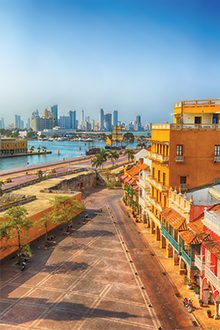
Uncertain Times
Not long ago, Latin America was a success story of economic growth. While advanced economies suffered a severe recession during the 2008–09 financial crisis in the United States and western Europe, followed by a weak recovery, emerging market economies were seen as the promise for renewed world economic growth. Latin America was viewed as part of that promise.
DAC High Level Meeting: Final Communiqué
On 15-16 December 2014 the OECD Development Assistance Committee (DAC) came to an important and historic consensus on how to modernise its statistical framework for measuring development finance to developing countries. It paved the way for the ambitious Sustainable Development Goals (SDGs).
Understanding the Digital Divide
The digital divide refers to inequalities in access to and usage of technology. Factors such as income, education, geography, and age can contribute to this gap. Bridging this divide is crucial for ensuring equal opportunities for all individuals in today's technologically-driven world.

Declaration of the Global African Diaspora Summit
The text describes the Global African Diaspora Summit as a significant platform for discussing issues affecting people of African descent worldwide, fostering unity, and promoting economic development and social inclusion within the diaspora.
A Future for Small States: Overcoming Vulnerability
The message provides strategies for small states to overcome vulnerability and thrive in the future.
The African Diaspora Program: Mobilizing the African Diaspora for Development
The African Diaspora Program aims to engage and unite African diaspora communities worldwide to contribute to development efforts in Africa.
Multilateral Aid 2015: Better Partnerships for a Post-2015 World
The message emphasizes the importance of improving partnerships in multilateral aid for a post-2015 world.
Australian aid: Promoting prosperity, reducing poverty, enhancing stability
The text is about Australian aid focusing on promoting prosperity, reducing poverty, and enhancing stability.
Changing with the World: UNDP Strategic Plan 2014-17
With the changing world as the backdrop, and building on our core strengths, our vision is focused on making the next big breakthrough in development: to help countries achieve the simultaneous eradication of poverty and significant reduction of inequalities and exclusion. This is a vision within reach, with the eradication of extreme poverty and major reductions in overall poverty feasible within a generation. It should be possible as well to make significant inroads against income and non- income measures of inequality and exclusion within this time frame.
The United Nations and Development: From Aid to Cooperation
The text examines the evolution of the United Nations' approach to development, emphasizing the transition from traditional aid-based strategies to collaborative cooperation frameworks aimed at sustainable development outcomes.

Message on Switzerland’s International Cooperation in 2013-2016
The text discusses Switzerland's international cooperation activities from 2013 to 2016.
Foreign Ministries in Developing Countries and Emerging Markets
The text discusses the importance of foreign ministries in developing countries and emerging markets. It highlights the key role these ministries play in promoting economic development, attracting foreign investment, and fostering international relations. Additionally, it emphasizes the significance of effective diplomacy and strategic communication for these nations to navigate global challenges and opportunities successfully.
Outcome Mapping: Building, learning and reflection into development programs
"Outcome Mapping" offers a comprehensive approach to development programs, integrating building, learning, and reflection processes to effectively navigate and assess the outcomes of development initiatives.
Post-2015 and the Global Governance of Education and Training
The text discusses the importance of post-2015 global governance in education and training. It emphasizes the need for a comprehensive and inclusive framework that addresses the challenges and opportunities in education worldwide. The focus is on creating policies that promote equity, quality, and relevance in education to meet the demands of the 21st century.
Reducing Disaster Risk: A Challenge for Development
The text discusses the complex challenge of reducing disaster risk in development projects.
The World Bank’s Contribution to Poverty Reduction in Peru
Peru’s economy has improved significantly, however poverty is an imperative issue that is not progressing as expected.

Conditionality in development aid policy
The text discusses the importance of conditionality in development aid policy.
Knowledge management and international development – the role of diplomacy
In this chapter, Walter Fust talks about the role of knowledge management, and knowledge for development, in diplomacy. He describes various methods to assess what knowledge should be stocked, and explains the need for managers who are assigned the task of deciding what should be stocked. These decisions need to be guided by principles, or guidelines - referred to as value management.
The Environmental Movement in the Global South
The message explores the environmental movement in the Global South, focusing on the challenges faced and the strategies employed to address environmental issues in developing countries.
Cloud computing: Opportunities and issues for developing countries
This paper looks at how cloud computing will surpass the Internet in adoption and usage as this technology’s users are on the other side of the digital divide. It looks at the diffusion of mobile phones and devices in developing countries and its continuous dramatic rise and at some popular mobile applications that are helping development efforts, such as m-Banking, m-Education, m-Health, m-Agriculture, and others that already exist and are popular within developing countries.
The road to dignity by 2030: ending poverty, transforming all lives and protecting the planet
The message emphasizes the goal of achieving dignity by 2030 through ending poverty, transforming lives, and preserving the environment.
The network neutrality debate and development
This study focuses ont he Net Neutrality controversy. It aims to answer a number of questions including - If Net Neutrality deserves protection, the question is how? Should a political or legal solution be enacted at national or international levels? Can we trust an informal free-market solution that may develop on its own, or should legal and political means be used to enunciate this principle? Will market forces ensure the best outcome, whatever this may be?
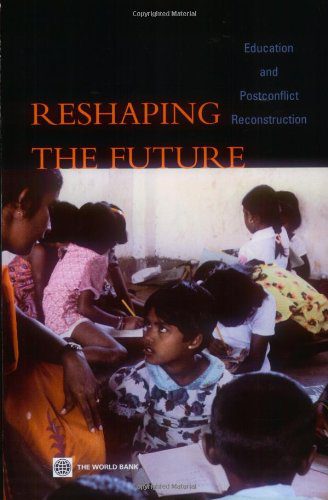
Reshaping the Future: Education and Postconflict Reconstruction
The text explores the vital role of education in post-conflict reconstruction efforts, highlighting its transformative potential in reshaping societies and fostering sustainable peace and development.
Knowledge management and change in international organisations: Learning from the private sector
In this paper, John Harper and Jennifer Cassingena Harper talk about knowledge as a vital resource, and the necessity of building competencies and establishing new skills. Analysing the theories by Ernst B. Haas in When Knowledge is Power: Three Models of Change in International Organisation, the authors trace the development of knowledge-oriented activities in the private sector, and its implications for organisations in the public and international domain.
Small states in the global politics of development
Much of the discussion surrounding small states has treated them as a discrete category, with common vulnerabilities and opportunities. However, a productive approach is to look at the global politics of development, and then see where small states fit in. The author looks in turn at the global politics of finance, trade and the environment. He concludes that small states have been largely unsuccessful in asserting their own interests in global politics, and that (to the extent that it is possible to generalize about states which differ greatly) vulnerabilities rather than opportunities are th...
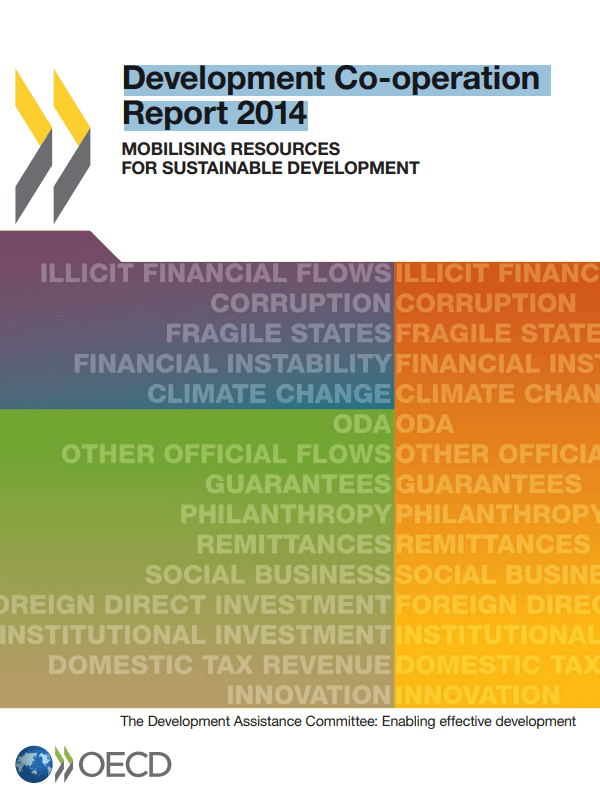
Development Co-operation Report 2014: Mobilising Resources for Sustainable Development
The Development Co-operation Report 2014 emphasizes the importance of mobilizing resources for sustainable development. It highlights the need for effective partnerships, innovative financing mechanisms, and increased transparency to achieve development goals. The report also stresses the importance of policy coherence, human rights-based approaches, and the engagement of a wide range of stakeholders in development efforts.